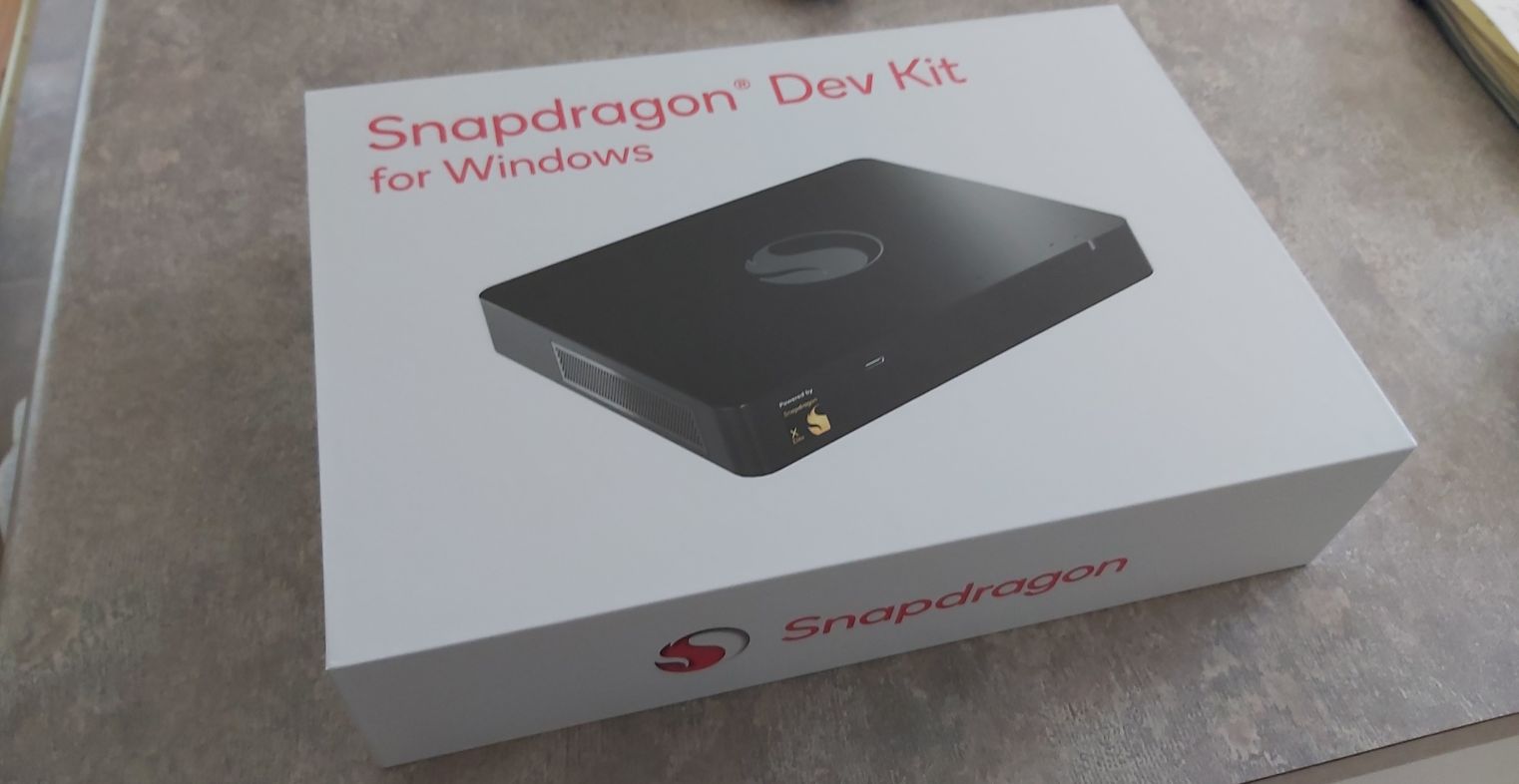
Microsoft has released a security update for Windows 11 that has left at least one developer unable to use their Snapdragon Dev Kit. Jason Eckert, an engineer and developer, reported that the update, identified as KB5068861, rendered his Qualcomm Snapdragon X Elite ARM64-based development kit completely inoperable.
Advertisеment
The Dev Kit, equipped with 32 GB of RAM and a 512 GB SSD, had functioned reliably since October 2024. According to Eckert, the system ran Windows 11 for ARM without issues until early December 2025, when the problematic update first appeared.
KB5068861 Update Fails to Install
Eckert attempted to install the update three times, each attempt resulting in a failed installation and automatic rollback during reboot. He applied standard troubleshooting procedures, including clearing the Windows Update package cache, executing sfc /scannow and dism /Online /Cleanup-Image /RestoreHealth commands, and manually installing the update from the Microsoft Update Catalog. None of these actions resolved the issue.
After discovering online reports of widespread problems with KB5068861, Eckert disabled Windows updates for one month. Upon re-enabling updates, the system notified him of a pending restart to complete a recent update. Believing it might be a different patch, he proceeded with the restart, only to encounter the same problematic update again.
System Degradation and Access Loss
Following the reboot, the system cycled through four restarts before finally loading Windows. Upon login, Eckert found himself in a new user profile with the default Windows background. Although internet connectivity remained functional and many third-party applications operated normally, core Microsoft utilities such as Windows Terminal and Event Viewer failed to launch.
A subsequent reboot attempt resulted in unpredictable behavior. The system either automatically restarted or shut down completely immediately after displaying the Windows logo. After dozens of attempts, Eckert concluded that the device had become unusable.
Recovery
Eckert attempted to access the Boot Device Selection (BDS) menu by pressing the Home key during startup. The menu responded inconsistently, exhibiting random hangs and unresponsive options. Testing multiple keyboards and USB ports yielded identical results, ruling out peripheral issues.
Eventually, he accessed the UEFI settings and configured the system to boot from USB, disabled Secure Boot, and enabled external display support for WinPE. Using a Windows 11 ARM64 ISO and a separate USB drive containing previously downloaded Snapdragon Dev Kit drivers, he initiated a clean installation.
The installation process initially succeeded, overwriting the existing C: partition. However, during the out-of-box experience, the system froze and powered off when Eckert attempted to load network drivers from the second USB drive. Since then, the device has failed to display the Snapdragon boot logo, enter the BDS menu, or respond to any input.
Eckert opened the Dev Kit and reseated all internal components, including the SSD. He verified the SSD’s functionality on another system, confirming the storage device was not at fault. Despite these measures, the system remains unresponsive.
Eckert suspects that the update may have corrupted UEFI firmware, bootloader components, or low-level power management firmware. He notes that the absence of an official firmware recovery tool for the Snapdragon Dev Kit, combined with Qualcomm’s discontinuation of the device and its support, leaves users without recourse in such scenarios.
Eckert noted that the Snapdragon X Elite platform itself performed flawlessly for over a year. He attributes the failure not to the hardware but to the lack of recovery infrastructure for the discontinued Dev Kit. Consumer devices from OEMs like ASUS, Dell, or Lenovo include firmware recovery safeguards absent from this developer unit.
He expressed disappointment at losing a high-performance 32 GB system that consistently outperformed his Intel Core i9 machine. Eckert remains confident in the Snapdragon X Elite architecture and stated he would welcome a future firmware recovery tool from Qualcomm to restore the device.
Support us
Winaero greatly relies on your support. You can help the site keep bringing you interesting and useful content and software by using these options:

